Haruskah keinginan atau hawa nafsu dibatasi dengan kejam, dimatikan sebelum dia berkecambah dan menggerogoti hati dan pikiran?
Manusia selalu digoda oleh keinginan dan hawa nafsu yang tak berhenti. Selagi dirimu bernafas akan selalu muncul keinginan untuk memiliki ini dan itu, atau menjadi seperti ini dan itu.
Untuk menyelamatkan iman, hawa nafsu itu harus segera dipadamkan. Itukah yang terlintas di kepalamu?
Jangan….! Beri kesempatan dia hidup dan tumbuh. Hidupmu akan menjemukan jika kau tega membunuh keinginan dan cita-citamu, karena dirimu merasa menua atau kesempatan menipis. Keinginan-keinginan tersebutlah yang membuatmu hidup, bergairah. Dan kau tahu…orang yang penuh vitalisme itu memiliki aura positif tersendiri, menjadi magnet untuk sekitarnya.
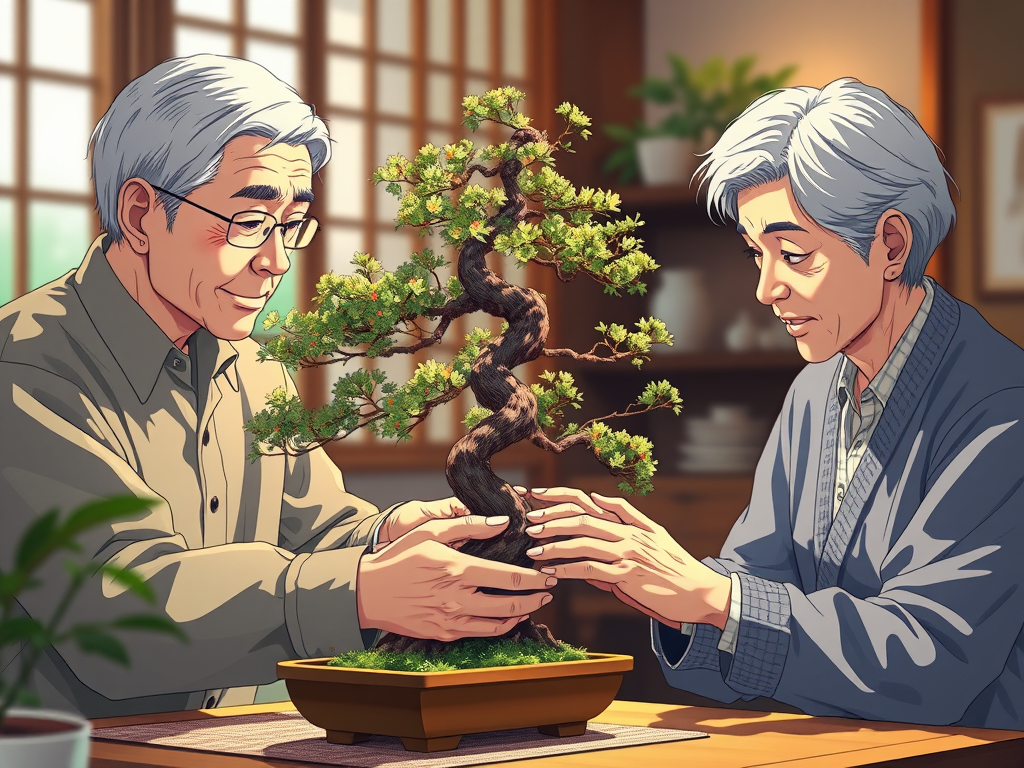
Keinginan tersebut menjadi indah jika di’pruning’ dengan seni tersendiri. Ibarat tanaman, jika dipangkas mengikuti gambar yang ada di kepala si tukang kebun, dia akan menjelma menjadi bonsai yang seksi.
Tapi jika keinginanmu -diibaratkan kembali ke pohon- engkau biarkan tumbuh rindang sementara halaman rumahmu sempit, dia akan kokoh menghujam ke bumi dan meringsek ke dinding rumahmu hingga reyot dan rubuh.
Keinginan dan nafsu adalah spirit kehidupan. Jangan pangkas dia hingga ke akar. Aturlah arah tumbuhnya, pangkas hanya di bagian yang tak mengikuti desainmu, dan pupuklah. Meskipun dia tua dan kecil namun nilainya melebihi sebuah pohon besar.
Yang engkau butuhkan adalah seni memangkas keinginan, mengarahkan hawa nafsu. Bukan membunuh keinginan-keinginanmu sehingga jiwa dan tubuhmu bosan, menunggu kematian dengan murung.
Saat sendirian, sering sekali percakapan dengan anak-anakku belasan atau puluhan tahun lalu muncul kembali. Salah satunya yang berikut ini.
Aku sedang bekerja di depan laptop, anakku yang bungsu tengah menggambar di atas kertas bekas dengan spidol warna warninya. Dia masih berumur empat tahunan kala itu. Belum masuk sekolah kanak-kanak.
Aku nyeletuk.
“Mama akan pergi ke Aceh, untuk pelatihan sekitar satu bulan. Kamu tak keberatan kan?”
Aku sampaikan hal tersebut karena ada penawaran dari bosku untuk mengikuti pelatihan tersebut.
Dia diam saja untuk beberapa saat. Anak keduaku ini lebih pendiam dibanding abangnya sehingga aku terbiasa menerima slow responnya. Namun dia menangis, dengan air mata langsung membanjiri wajahnya.
“Kalau mama mati di sana, siapa yang akan mengajariku membaca?” ucapnya sambal terisak.
Aku terkejut mendengar jawaban yang tak disangka tersebut. Oh Tuhan, ternyata anak kecil yang kukira tak mengerti apa-apa menyimpan trauma terhadap bencana alam tsunami Aceh yang terjadi tahun sebelumnya (tahun 2004). Semua layar televisi tak henti-henti menyiarkan kejadian tersebut hingga setahun kemudian.
Selain sedih mendengar kekhawatirannya (dan langsung mendekapnya), aku juga merasa bangga. Anakku mengandalkanku untuk mengajarinya membaca! Mungkin karena dia melihat aku memperkenalkan huruf demi huruf latin kepada abangnya hingga dia bisa membaca. Dia ingin aku melakukan hal yang sama untuknya.
Pengalaman tersebut mengingatkanku betapa memori anak sangat kuat. Tidak semua ketakutan mereka muncul ke permukaan, namun tersimpan di ingatannya dengan sangat kuat. Jika anak-anak takut terhadap sesuatu dengan alasan yang tak jelas, kemungkinan dia pernah melihat atau mengalami kejadian tersebut namun tak diceritakan kepada orangtuanya pada saat itu juga.
Sebagai orangtua, kita harus berhati-hati. Mungkin ada trauma yang bisa dinetralisir si anak seiring bertambahnya kedewasaan. Namun ada yang membekas lama dan mempengaruhi prilakunya hingga dewasa.
Kurang tiga jam lagi waktu berbuka akan datang. Bapak belum pulang kantor. Ibu belum mulai masak meski dapur sudah dirapikan sejak tadi. Adik-adikku sudah kembali dari sekolah dan bermain sebentar dengan kawan-kawannya. Mereka tidak ribut seperti biasa. Tunak, rasa lapar menjinakkan mereka.
“Uang belanja habis,” ungkap Ibu semalam. Aku berada di dekat mereka dan menangkap pembicaraan itu.
“Besok Papa cari hutangan di koperasi kantor,” jawab Bapak, pelan tapi sepertinya yakin akan mendapatkannya.
Penghasilan PNS di tahun 80an tak sebaik sekarang. Bapak pegawai tulen, dia tak punya sumber pendapatan lain. Ibu stay di rumah mengurus keenam anaknya. Pernah sih Ibu buka warung kecil-kecilan, dibantu oleh Tulang (adik laki-laki Ibu) namun tak bertahan lama. Jajanan di warung lebih banyak kami yang makan. Uangnya tak ketemu.
Aku gak bakalan cerita betapa ideal dan penuh tanggung jawabnya orangtuaku. Kalian pasti akan berhenti membaca tulisan Kenangan Ramadhanku ini. Dunia ini tak semanis dan sebosan itu, kan?
Bapak akhirnya pulang. Dia membawa ikan mas. Wajahnya cerah meski lelah. Di usiaku yang belum 15 tahun, aku mulai paham masalah keuangan yang dihadapi orangtuaku. Bapak membeli ikan itu dari uang hutang.
Setelah aku dewasa dan menikah, aku pernah bertanya dalam hati, mengapa Bapak membeli ikan emas untuk makan malam kami? Mengapa tidak ikan asin/teri, atau ikan laut yang harganya jauh lebih murah? Bapak boros, dia tak harusnya memaksakan diri membeli sesuatu yang di luar kemampuannya.
Namun aku diingatkan sifat Bapak yang penyayang. Bapak ingin anak-anaknya bergembira saat berbuka. Rasa lapar anak-anaknya yang terpuaskan waktu berbuka adalah kebahagiaannya. Lewat puasa, Islam mengajarkan umatnya berempati terhadap orang miskin, agar mengenal Allah lebih dekat, dan menguatkan relasi antara penderitaan fisik yang akan bernilai ibadah selama dijalani dengan ikhlas, Bapak milih mengajarkan puasa dengan cara lembut dan membujuk. Anak-anaknya waktu itu baru berusia 15, 14, 12, 11 tahun, dan dua balita.
Selesai magrib, makan malam dan beberes sisa makanan, kami dilepas ke masjid untuk taraweh. Aku menyukai tarawih namun belum dilandasi taqwa. Aku suka karena di masjid aku dapat wawasan dan kenalan baru.
Suasana malam selama bulan Ramadhan jauh lebih hidup. Aku melalui warung dan toko yang penuh barang rumah tangga dan makanan. Aku bertemu kawan-kawan mengaji dan sekolah yang bersemi cantik dan ganteng, suka bersolek dan mudah senyum, karena sadar sedang diamati remaja lainnya.
Di pojok masjid, jika tirai pembatas saf laki-laki dan perempuan dibuka, aku bisa melihat dan mengamati wajah-wajah jamaah laki-laki muda dan tua, menyimak ekspresi mereka dan mereka-reka rumah mereka itu yang sebelah mana ya?
Ada proses berpikir yang mengalir di kepalaku saat itu. Berpikir, mengingat, dan mengaitkan satu dengan yang lain. Kegiatan olah pikir yang sulit dijelaskan tapi itu asik. Mungkin itu awal dari kesukaanku mengamati dan menuangkan gagasan ke dalam tulisan.
Sholat tarawih ke masjid seharusnya tak dilakukan anak-anak tanpa didamping orangtuanya. Ketiga adik laki-lakiku berangkat masing-masing, Bapak juga pergi sendirian. Itu jamak juga di keluarga lain. Aku lebih sering berangkat bersama Ibu, sekali-sekali diajak oleh tetanggaku sebaya.
Mengapa harus didampingi? Kenakalan remaja sebagian tumbuh dari malam-malam tarawih itu. Remaja laki-laki mulai merokok dan menggoda remaja perempuan yang melintas. Sebagian sih niatnya masih benar, ikut sholat sampai rakaat akhir. Namun lebih banyak yang duduk di sekitar masjid, berebut job parkiran sandal, atau pura-pura sholat di ujung rakaat.
Untunglah aku tak menyalahgunakan malam tarawih untuk kesenangan-kesenangan picisan. Meski kadang diajak oleh kakak-kakak tetangga yang sudah pintar besolek, obrolan mereka gres dan tawanya renyah, namun lebih nyaman bersama Ibuku yang ibadahnya khusu’.
Ramadhan mendekatkan aku dan Ibuku. Pertengkaran Ibu dan anak perempuannya yang konon meningkat di saat anak masuk usia remaja, tak terjadi pada kami. Aku dikawal, namun diberi keleluasaan memilih caraku menuju sholeha dan berilmu. Syarat kerasnya, tak boleh genit.
“Kasihan Papamu. Orang-orang akan membicarakannya jika melihatmu bergenit-genit di luar,” nasehatnya yang sangat aku ingat. Aku menyayangi Bapak. Aku Boru Panggoaran-nya. Nasehat Ibu whoosh, langsung menancap ke hatiku.
Bagaimana dengan adik laki-lakiku? Mereka tengah berjuang untuk memperbaiki kehidupan dan keimanannya masing-masing. Jalan mereka cukup terjal. Teruslah berjuang, adik-adikku.
If I have set personal values for myself, do I need to envy someone whose values are far from mine?
Can I be as happy as S? (S is the initials of an imaginary figure).
Such questions often come to my mind.
She has everything a woman could dream of, a rich husband, a beautiful face and style, and luxurious goods (bags, cars, houses, etc.). Recently, she was promoted to a higher position in her office.
Everything seems perfect to her. At a young age, she has achieved all girl’s dreams. There is only one thing that is mediocre about her: her work skills. However, she was lucky to get a promotion.
Should I be envious? Or should I be angry at her luck? While my career is stagnant, her career is skyrocketing.
I feel that the working world is unfair.
But think again and take a deep breath. Who am I angry at?
I don’t think there is a good reason to hate her. She has been working on the way she believes to achieve her goals. Regarding the promotion she got, there may have been some behind-the-scenes dealings, or there may have been none. Maybe there was a factor that caused her to be promoted.
S certainly has her own life principles and values that she developed to find her own version of happiness. So do I. Every human being has their own values about the meaning of happiness. If I get angry with her, does that mean that S and I are competing on the same path to achieve happiness?
In fact, nothing is the same between S and I. Our life values are not the same.
If I have set personal values for myself, do I need to envy someone whose values are far from mine?
Nope. Everyone must be consistent with the values they adhere to. Never mix up with the values of others. You will get angry and disappointed easily.
In seeking happiness, you are spurring yourself on, not racing against other people’s dreams.
The story above is just my reflection on how to respond and behave well according to the values that I have set for myself. I am still learning to build a commitment to myself and not be envious of the happiness of others.
What about you? Do you often feel that the world is so unfair and jealous of others?
Many parents complain about being forgotten by their children. The children did not contact them for months because of their business. Calling or sending a message via WhatsApp is easy, yet they are not doing that to please their mothers.
What a sad.
Indeed, communication technology makes it easier for humans to connect with others because it can be done anytime, more efficiently, and at a low cost. As long as a telecommunications tower is in the area, your messages and calls reach across regions and countries.
However, online communication also has several weaknesses. Some urgent points are often missed and cause misunderstandings.
Online communication also has nonverbal limitations. The recipient cannot see your face and body language, and there is no eye contact. This makes communication very normative and less emotionally connected.
I prefer to use video calls to WhatsApp messages when contacting my children. Both live in other provinces. I need to see their faces and smiles and hear their voices at least once a week. It helps calm me down and take my mind off my worries.
No problem if I call first. The Mother’s love is forever, right?
Have you ever been confused about choosing a movie to watch?
It happened to me. I get confused every time I open Netflix. There are various genres of movies, scary or funny ones. Which one is for me?
It should be easier for someone to get the movie they want to watch, right?
However, too many choices and endorsements do not help. A half-hour after opening Netflix, I am still scrolling up and down.
It also happens in life. The more options available, the more complicated the decision-making process.
I remember when I was a teenager, decades ago. My parents took me to buy shoes. The popular brand then was Bata; the fashion was standard, slightly different from one shoe to another. I quickly decided what shoes I wanted.
But now it’s different. Shopping can take hours. It may end with a purchase, but mostly nothing to buy. That too many shoe models make me doubtful.
Have you ever thought that civilization would be better off getting back to the 80s when choices were limited, but humans could live with them?
That way, we can make decisions faster and save time. Our life may be less hedonistic.
Back to my Bata shoes, they were very durable. They didn’t break for a year or even more. There was a time when I prayed that my footwear would break so I could ask my mother for new ones.
Oftentimes, a person has to follow other people’s wishes, but in his heart, he wants to say no. That often happens to me. Without me realizing it, my desire to be a nice person drives me to follow other people’s agendas.
The line between a kind-hearted person and the one who’s not daring to say no is very blurred.
I see signs when my mental condition is damaged because of the fear of saying no. The main signs are excessive fatigue, stress and anxiety, and feeling unappreciated or disrespected.
Have you ever experienced the same thing?
Some say that someone who faces this situation must be brave enough to say “no” without feeling worse. However, it is not that simple. Humans are social creatures, so their need to be accepted by others is quite strong.
Let’s talk about this. Do you have any opinions or experiences on how to react in such situations?
I whispered, “We are the lucky ones who woke up this morning while others were still sleeping.”
On the first day of January 2025, I woke up early and started my morning walk. Some neighbors’ houses and windows were still closed, and the streets were quiet. Usually, when walking along the road, I worry that a careless motorcyclist will hit me from behind.
That morning, those worries disappeared. My feelings were so light. I enjoyed the tranquility. Passing by some people sweeping the front yard and watering the flowers on the porch, I whispered that we were the lucky ones who woke up this morning while others were still sleeping.
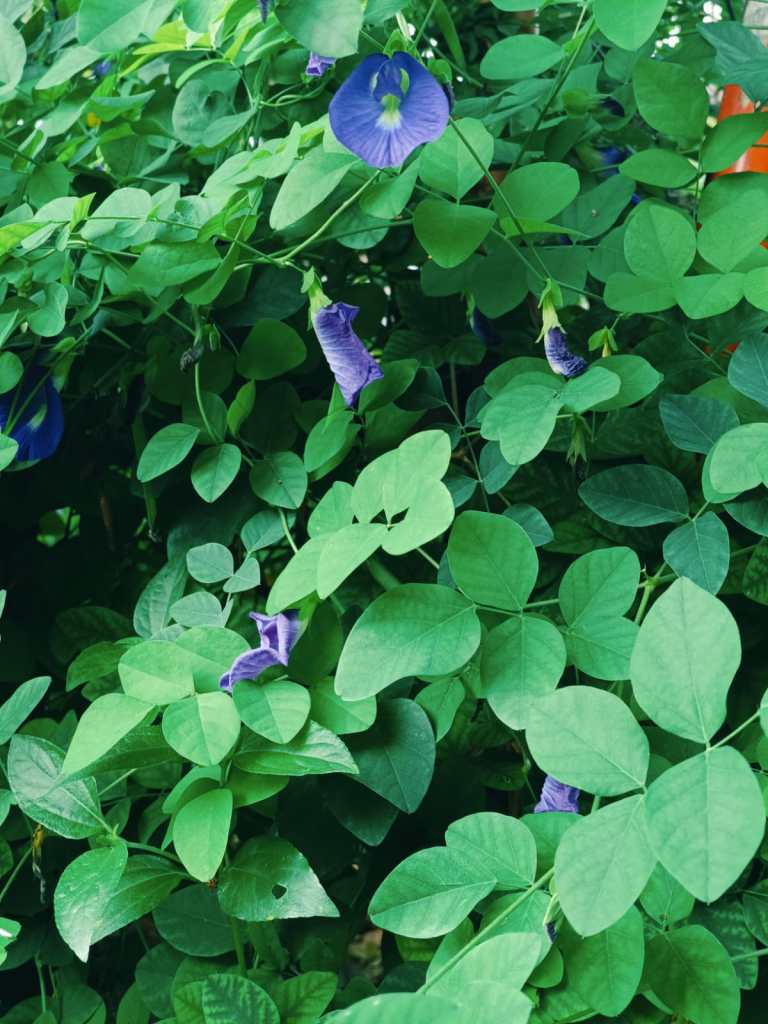
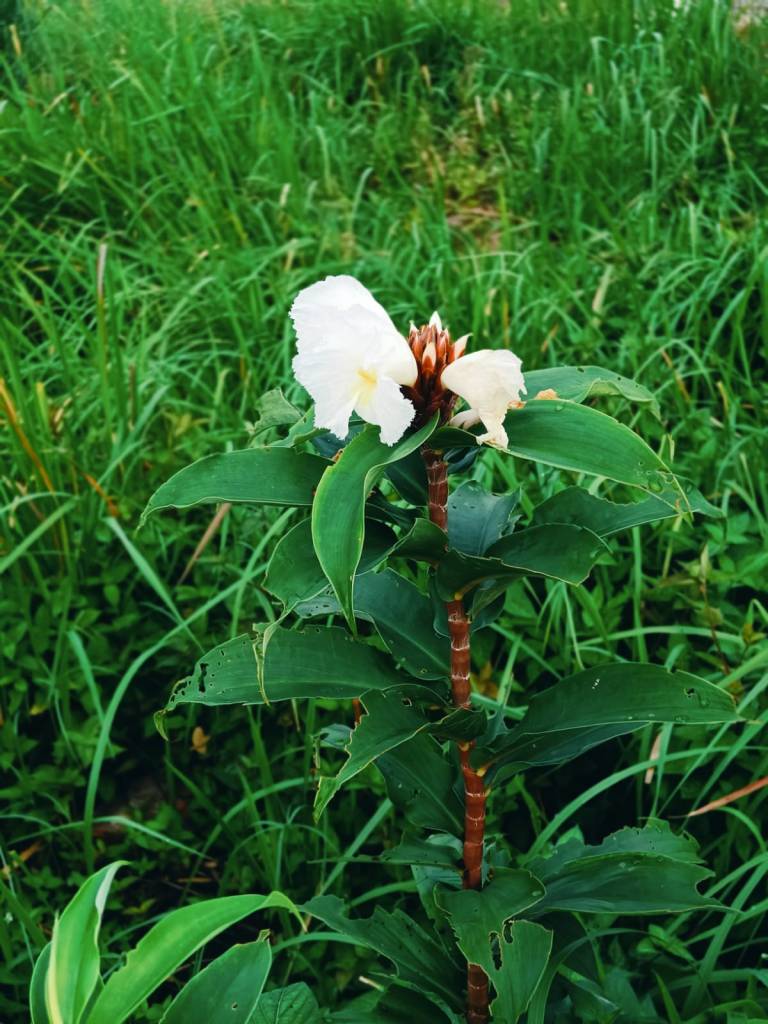
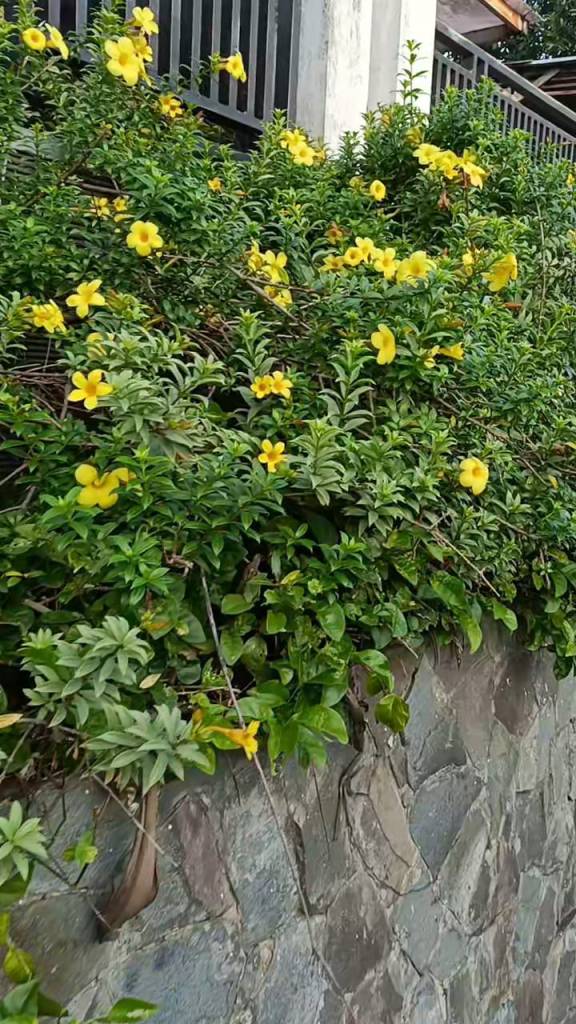
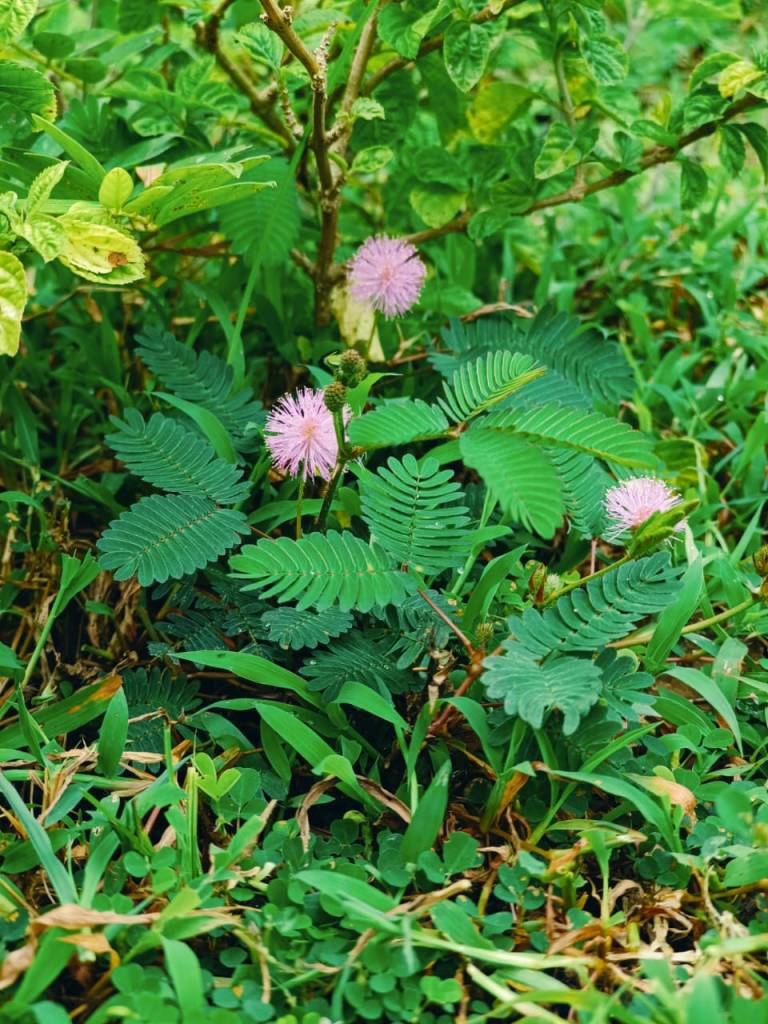
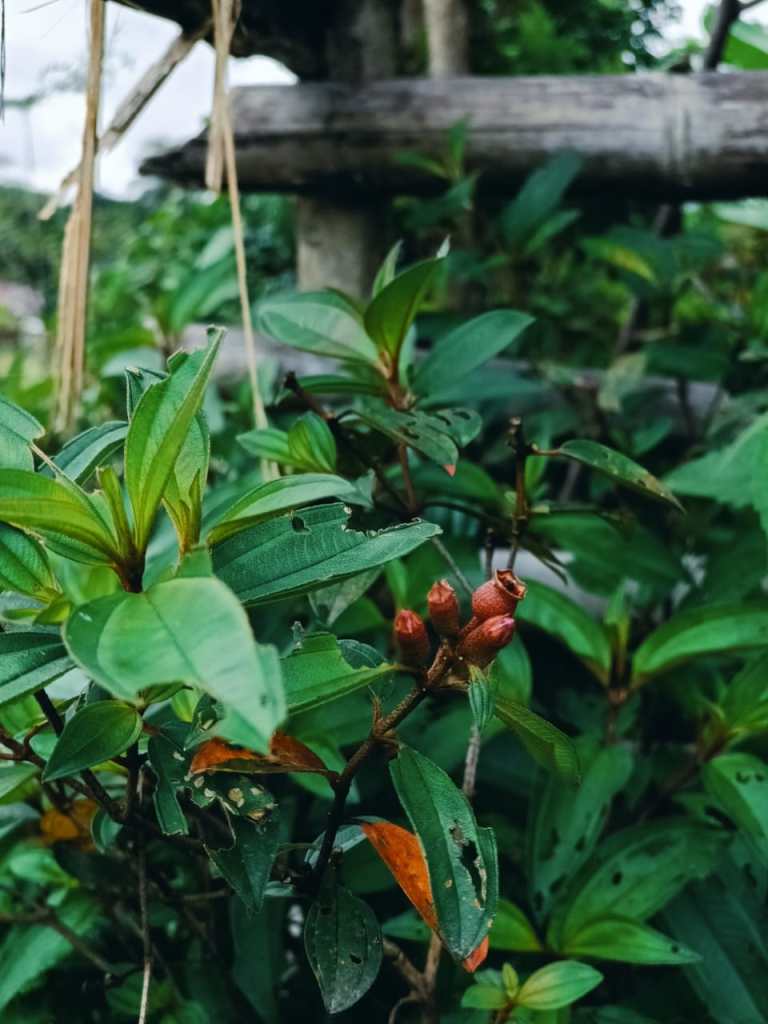
As the virtual gifts to all my readers, here are some wildflowers I photographed on my way home.
Once you set a goal in life, that’s when you’ll face a mountain of challenges. The Quran says:
Do people think that after they say, "We believe," they will be left untested?
(QS. Al-'Ankabut Verse 2)
I have set a goal to live a peaceful and meaningful life. But at the same time, I asked myself, could I achieve it if my husband was not on the same path as me? When work life was so busy, and I was surrounded by ambitious and cunning people, could I maintain the peace I strive for? Or, when my economic situation was not good, could I pretend there were no problems?
Of course, my mind is disturbed when all of that happens.
But if I lived alone, far away at the foot of a mountain, and had everything to support my daily needs, would it be easier to achieve peace and a meaningful life? I doubt it. I might miss the hustle and bustle of the urban and the dynamic life in the working world.
Whether my life is peaceful or not lies in my mind. I should exercise the soft skills to regulate myself, what I should think about and resolve, and what I should let go of. I have not been able to set boundaries between the two areas. There are qualities that I have not fulfilled, including patience, wisdom, and physical and spiritual balance.
I am often tempted to act drastically, changing my lifestyle instantly. Finally, I am tired, bored, and restless again.
So, what is the biggest challenge in my life right now? Cultivating patience, wisdom, and the ability to balance the various aspects of my life.
This will be a long-term challenge, and I will take it slowly but mindfully.
Wildflowers look lovely and strong simultaneously, while the flowers planted in pots look classy but fragile.
I love photographing flowers on the side of the road or in the bushes. I value them more than the pretty flowers in pots on a beautiful porch. They look lovely and strong simultaneously, while the flowers planted in pots look classy but fragile.
My friends often laugh at my crouching pose when taking these photos. An unusual hobby, they say.
I see wildflowers from a different perspective. Humans have been fooled by the flashy, bold, and dazzling appearance for so long. Something natural and easy to find in nature is often considered nothing special, without a price. I think that attitude is built by the industry that produces expensive goods and is supported by the human tendency towards luxury.
I like nice things (some of which are expensive, yes) but not in an excessive way. I am aware of my financial capabilities. Also, I know that peace and contentment can be obtained in other ways, such as finding beauty in ordinary places or on the outskirts.
Recently, I have been trying to develop more positive habits to make my day worthwhile. Photographing nature is one of them.
What are some others? Enjoying a sunrise or sunset, walking in a park or garden (I perfect it by walking silently while dhikr), listening to birdsong, and playing in the sand. Reading a favorite book, listening to music, and writing in a journal are also valuable.
Alhamdulillah, I have been doing some of them for a long time and will continue establishing and making them a part of my peaceful life.







 my thoughts on the environment, travel and life reflections