My parents fed me rice from the time I was a baby. At just six months old, I learned to chew rice. Many snacks from my past were also made from rice, like chicken porridge or cookies. I never imagined that one day I would have to learn to stop eating rice.
Now I’m on a journey to completely stop eating rice. Imagine. For almost 55 years, I’ve been inseparable from rice in my daily diet, and now rice is gone from my menu.
My determination is very strong. If I don’t stop eating rice now, I will get sicker and worse. The doctor who treated my illness (I was diagnosed with Meniere’s, a type of severe vertigo) advised me to avoid salty, oily, and fried foods and side dishes. The truth is, salty and fried side dishes are synonymous with rice. To follow the doctor’s advice, I also have to stop eating rice.
Furthermore, my weight is no longer ideal. No matter how diligently I reduce my food intake and exercise, my weight doesn’t decrease. My movements have become sluggish and very lethargic as I age.
Now I’m replacing rice with tubers like potatoes, sweet potatoes, or bananas. So far, it’s been working without too many problems. I was worried about starvation during the diet, but that hasn’t happened very often.
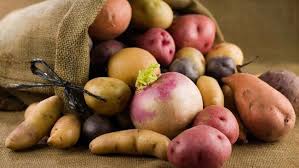
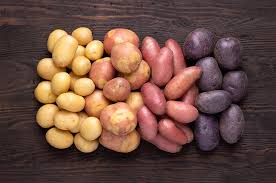
Thanks to the advancement of processed foods in Indonesia, there are now many low-calorie substitutes for food. Foods other than rice are also available in many places at affordable prices. You can buy a bunch of bananas or 1 kg of potatoes for just IDR 15,000 (about US$1). I also bring two boiled eggs as a backup in case I can’t find food on the go.
How does it feel after two months of not eating rice and fried side dishes? My body feels lighter, my sleep is more restful, and my breath is fresher. I’m also eating lots of fruits and vegetables. I used to hate milk, but now I try to drink it regularly because my bones need it to prevent osteoporosis.
It’s simple, but I feel like I’ve made significant progress at my age. I’m happy to finally be taking care of my body, which has been suffering for so long.
 my thoughts on the environment, travel and life reflections