Empowering communities is a noble task, but the challenges are tough. I just completed a reclamation program of 10 hectares of illegal mining land in Bungo Tanjung Village of Merangin Regency. We and the local residents agreed that the ex-mining land would be reclaimed into an eco-park. In return, they will manage the park and earn income communally.
Initially, everything went well. The community agreed to work the land even though the wages were small. In the middle of the project implementation, several problems emerged, including a lack of transparency in expenditure and disputes between group members. Some felt they were not involved at all.
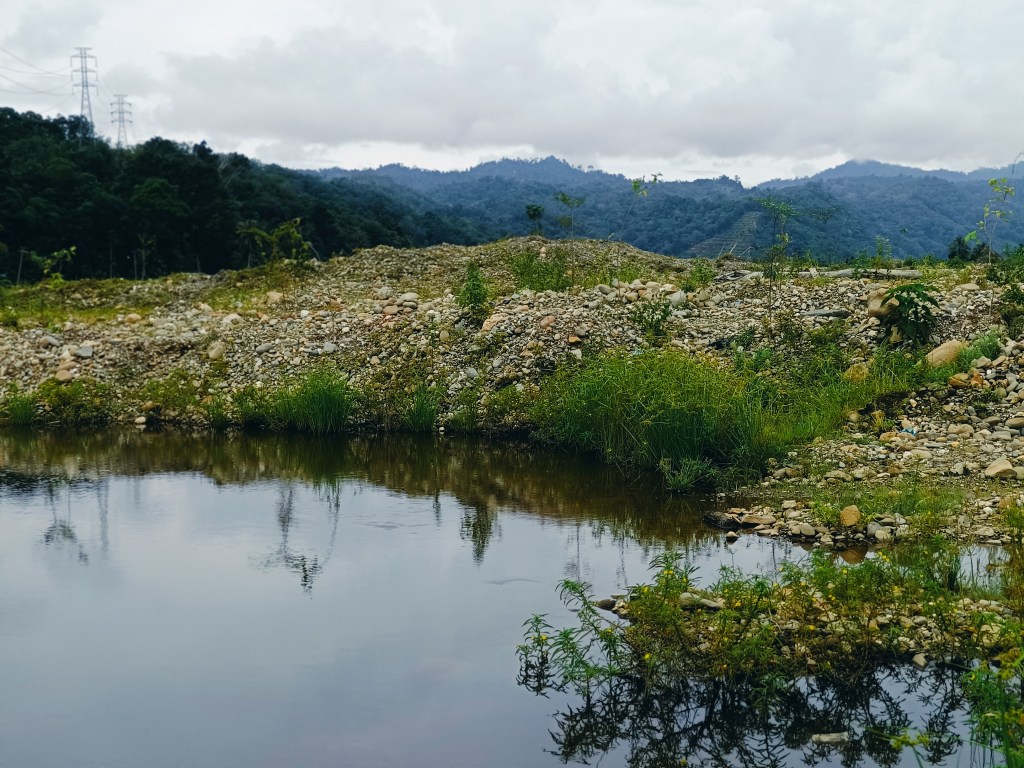
The pond and gravel hill were formed as a negative impact of illegal gold mining activity. In contrast with the landscape years ago when hundreds of hectares of paddy land dominated this area.
Several conditions would potentially make community empowerment programs vulnerable to failure, namely:
- The local people of the project target expect the project can instantly improve their well-being. Project administration is needless, they try to disobey it.
- Most of them have low education yet are quite confident that they know the best about themselves. With that insight, they tend to ignore the rule or initial agreement.
- The locals tend to be easily influenced by one or two dominant figures. If the figures are good, the program gets supporters. If not, the program would be in trouble.
- Traditional norms and values in rural are shifting. The people have become less sincere, and suspicious of one another. This hinders group cohesion.
- People see the community empowerment program that’s conducted by the government as their privilege. They become less responsible and don’t care about the sustainability of the project.
 my thoughts on the environment, travel and life reflections
One response to “Why Community Empowerment Programs Are Prone to Failure?”
[…] https://asnellyrd.com/2024/12/05/why-community-empowerment-programs-are-prone-to-failure/ […]